

A full list of previous publications is available here.
arXiv:2602.16889 (2026)
Thomas Descamps, Linus Andersson, Vittorio Buccheri, Simon Sundelin, Mohammed Ali Aamir, Simone Gasparinetti
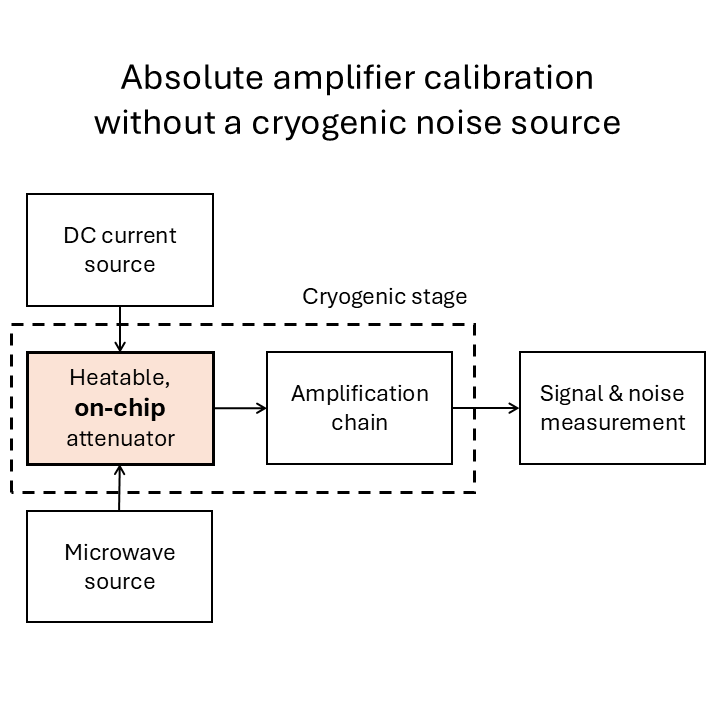
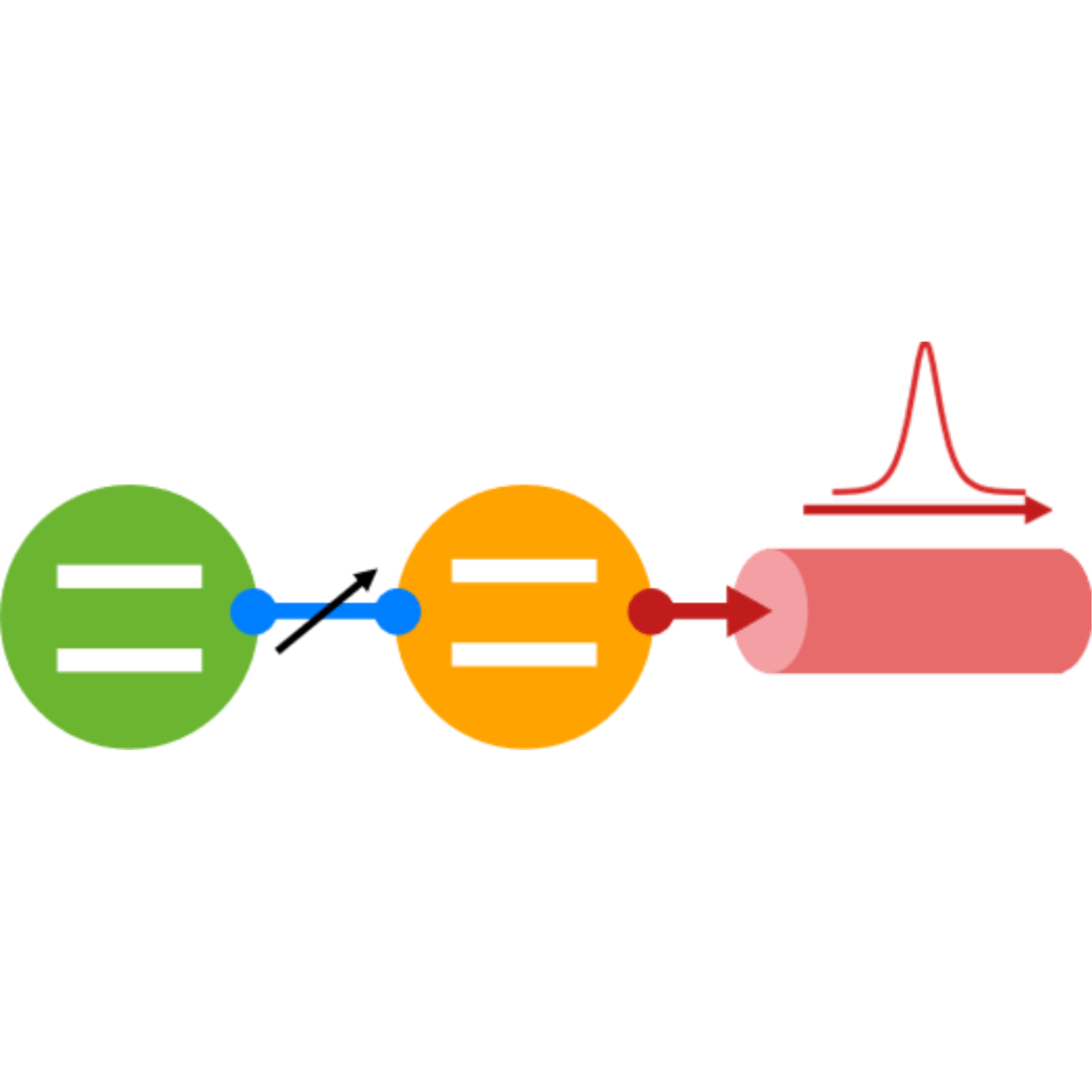
We demonstrate gain and added-noise calibration of cryogenic microwave amplification chains, using an on-chip, heatable attenuator. By comparing DC and RF heating and analyzing the resulting thermal noise power spectral density, the amplification chain itself provides an absolute power reference, eliminating the need for a calibrated noise source. Our heatable attenuator dissipates only ~1 nW of power and reaches steady state within milliseconds. This approach enables fast, broadband characterization of near-quantum-limited parametric amplifiers used in superconducting quantum processors and related systems.
arXiv:2602.01945 (2026)
Simon Sundelin, Linus Andersson, Hampus Brunander, Simone Gasparinetti
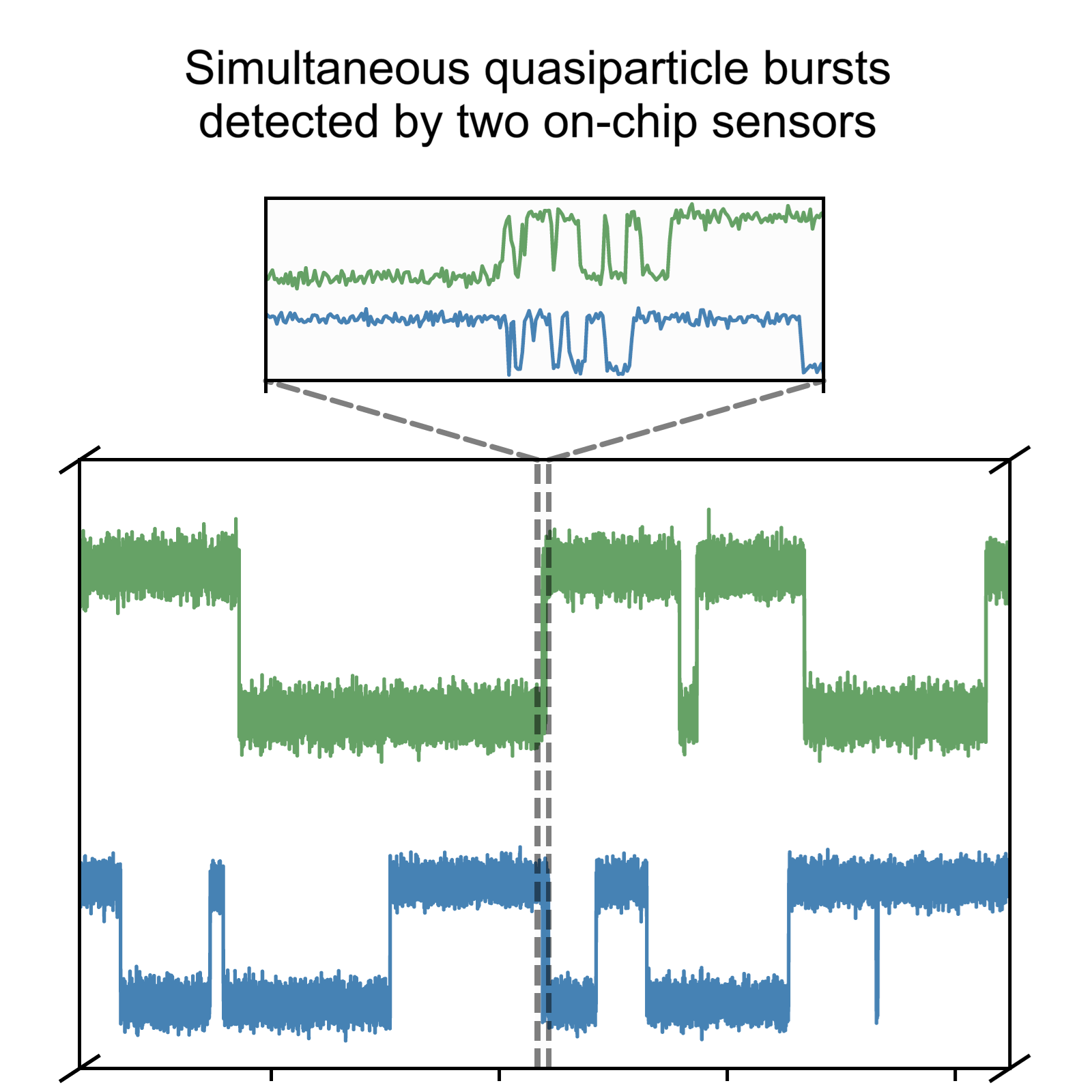
Quasiparticle tunneling causes decoherence and correlated errors in superconducting circuits, motivating real-time detection on individual devices. We simultaneously detect quasiparticle tunneling in two co-housed, charge-sensitive transmons coupled to a common waveguide. Background rates are measured at the single-hertz level with microsecond resolution. Individual events are uncorrelated, while burst episodes occur about once per minute, last ~7 ms, are largely correlated across devices, and increase tunneling rates by three orders of magnitude.
Nature Communications 17, 359 (2026)
Simon Sundelin, Mohammed Ali Aamir, Vyom Manish Kulkarni, Claudia Castillo-Moreno, Simone Gasparinetti
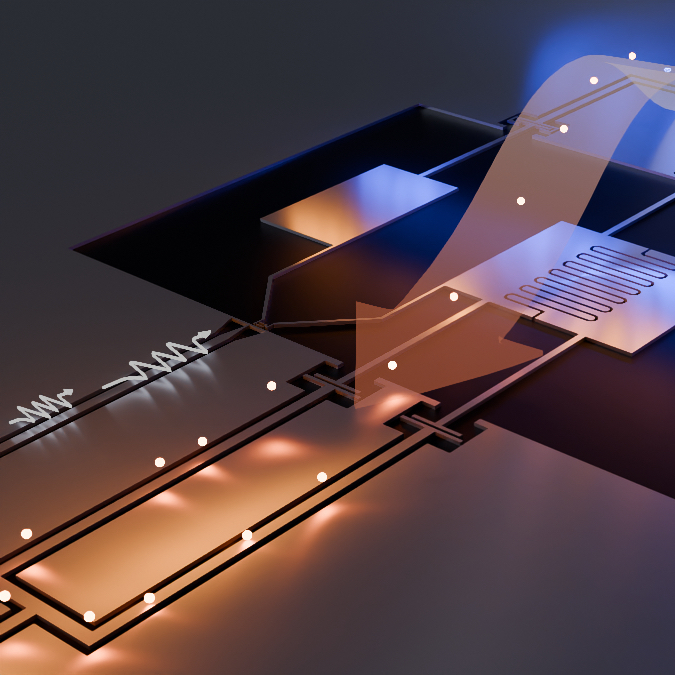
We demonstrate a quantum thermal machine that uses dephasing noise as a resource for refrigeration. The setup features a superconducting artificial molecule coupled to two microwave waveguides acting as thermal reservoirs, with a third channel introducing tunable dephasing noise. By adjusting noise and temperature gradients, the system functions as a quantum refrigerator, engine, or accelerator. Measuring heat currents below 10⁻¹⁸ watts, this platform enables exploration of quantum thermodynamics in engineered thermal environments.

PRX Quantum 7, 020308 (2026)
Marvin Richter, Ingrid Strandberg, Simone Gasparinetti, Anton Frisk Kockum

IEEE Transactions on Microwave Theory and Techniques, 1 (2025)
Linus Andersson, Benjamin Olsson, Simone Gasparinetti, Robert Rehammar
The High-Energy Radiation Drain (HERD) filter is an ultra-low-loss filtering technique that uses leaky waveguides to absorb high-frequency radiation harmful to superconducting qubits. In this work, we extend the concept by leveraging the parasitic impedance of the leaky-waveguide structure and integrating it into a stepped-impedance low-pass filter. The result is a compact HERD filter with sharp roll-off and strong suppression of unwanted high-frequency signals.
arXiv:2510.07372 (2025)
José Antonio Marín Guzmán, Yu-Xin Wang, Tom Manovitz, Paul Erker, Norbert M. Linke, Simone Gasparinetti, Nicole Yunger Halpern
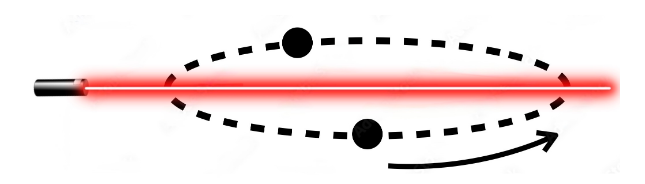
The paper proposes ways to build quantum-autonomous gates—quantum operations that run without time-dependent external control—to reduce the classical control burden in quantum computing. It suggests implementations on three experimental platforms (Rydberg atoms, trapped ions, and superconducting qubits), showing how interactions or trap engineering can realize useful single- and two-qubit gates. These gates could help form largely autonomous quantum circuits with reduced classical overhead.
arXiv:2509.03375 (2025)
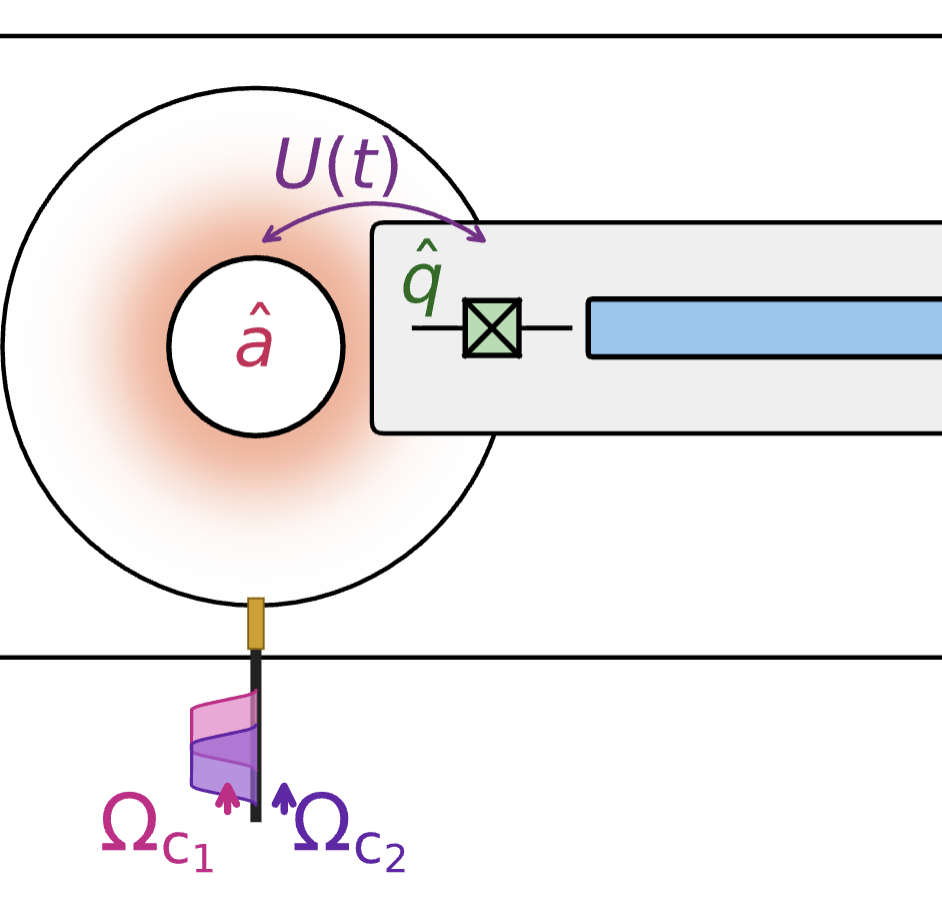
Martin Jirlow, Kunal Helambe, Axel M. Eriksson, Simone Gasparinetti, Tahereh Abad
arXiv:2508.20116 (2025)
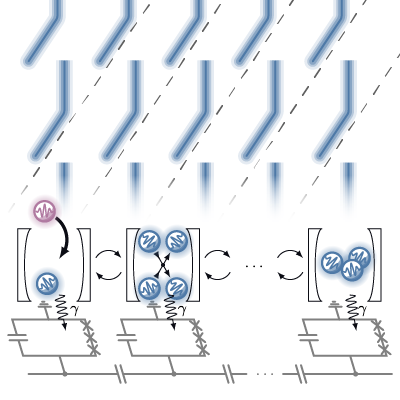
Claudia Castillo-Moreno, Théo Sépulcre, Timo Hillmann, Kazi Rafsanjani Amin, Mikael Kervinen, Simone Gasparinetti
arXiv:2508.18027 (2025)
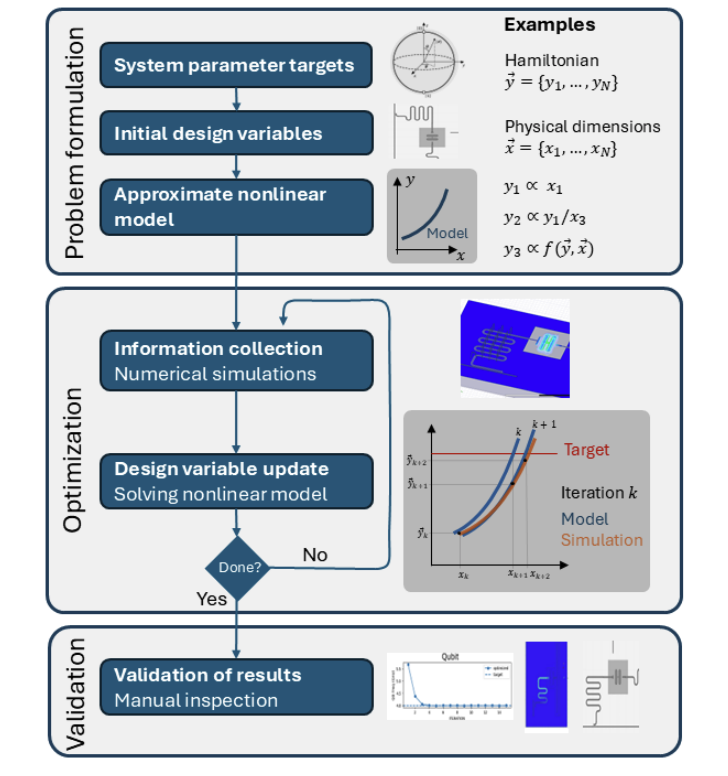
Axel M. Eriksson, Lukas J. Splitthoff, Harsh Vardhan Upadhyay, Pietro Campana, Niranjan Pittan Narendiran, Kunal Helambe, Linus Andersson, Simone Gasparinetti
Nature Physics 21, 1147 (2025)
Florian Meier, Yuri Minoguchi, Simon Sundelin, Tony J. G. Apollaro, Paul Erker, Simone Gasparinetti, Marcus Huber
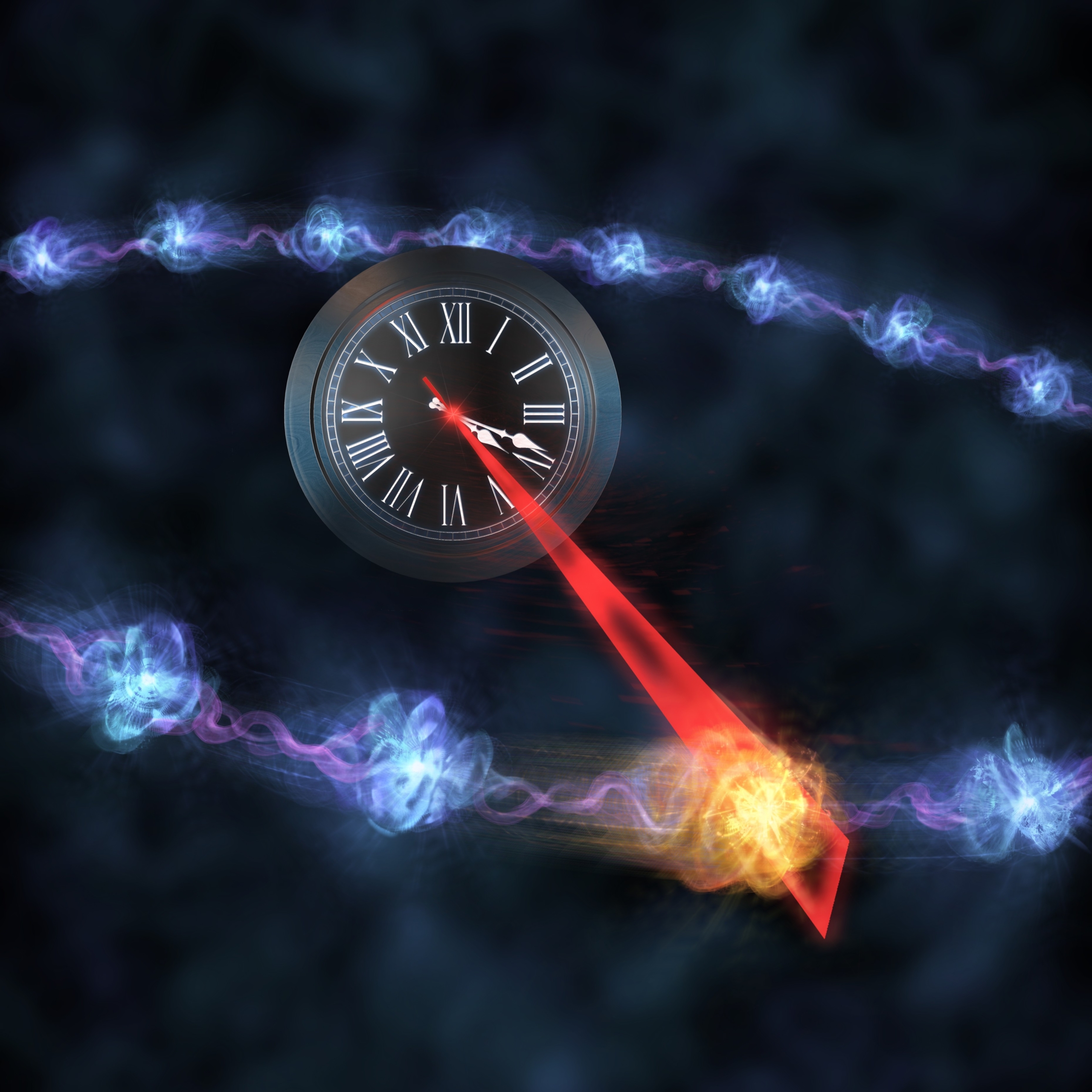
Thermal fluctuations constrain the precision of non-equilibrium devices, particularly at quantum scales where reducing uncertainty requires entropy dissipation. Clocks exemplify this trade-off, typically showing a linear relation between precision and dissipation. We theoretically identify a quantum many-body system where clock precision scales exponentially with entropy dissipation, surpassing known bounds. This finding shows that coherent quantum dynamics can break conventional limits, enabling ultra-precise, low-dissipation quantum technologies.
npj Quantum Information 11, 69 (2025)
Jiaying Yang, Ingrid Strandberg, Alejandro Vivas-Viana, Akshay Gaikwad, Claudia Castillo-Moreno, Anton Frisk Kockum, Muhammad Asad Ullah, Carlos Sanchez Munoz, Axel Martin Eriksson, Simone Gasparinetti
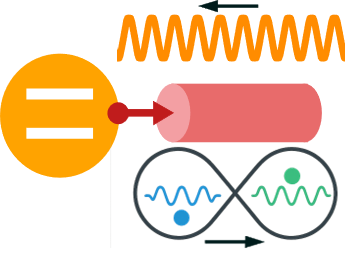
Entanglement is key to quantum networks. We demonstrate a method to generate entangled microwave photons via a driven superconducting circuit. Our method enables time- and frequency-matched entanglement of sideband modes in the resonance fluorescence spectrum. These orthogonal modes can be stored in separate quantum memories, enabling high-rate entanglement distribution across platforms, with applications in waveguide QED, distributed quantum computing, and quantum communication networks.
Physical Review Letters 134, 133601 (2025)
Claudia Castillo-Moreno, Kazi Rafsanjani Amin, Ingrid Strandberg, Mikael Kervinen, Amr Osman, Simone Gasparinetti
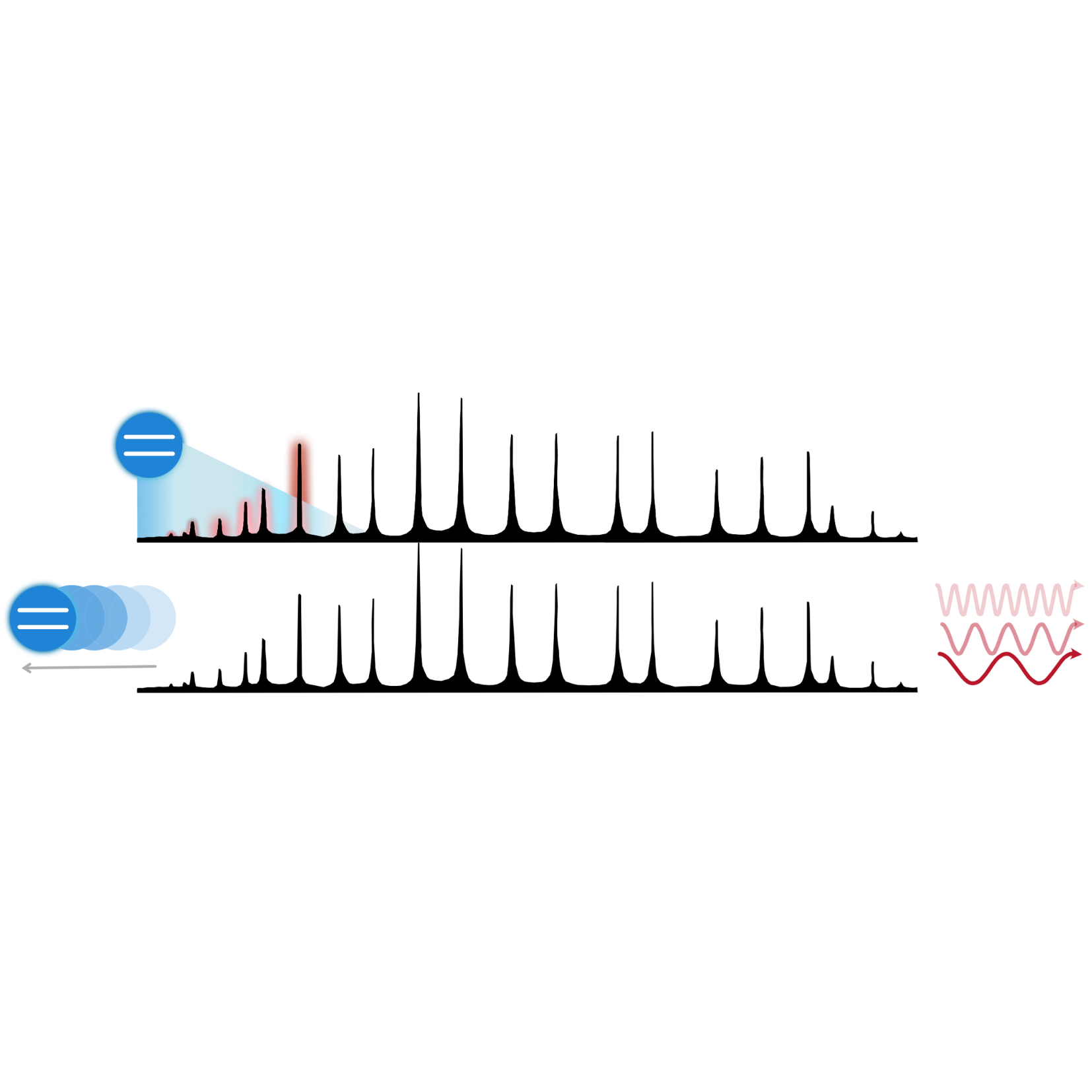
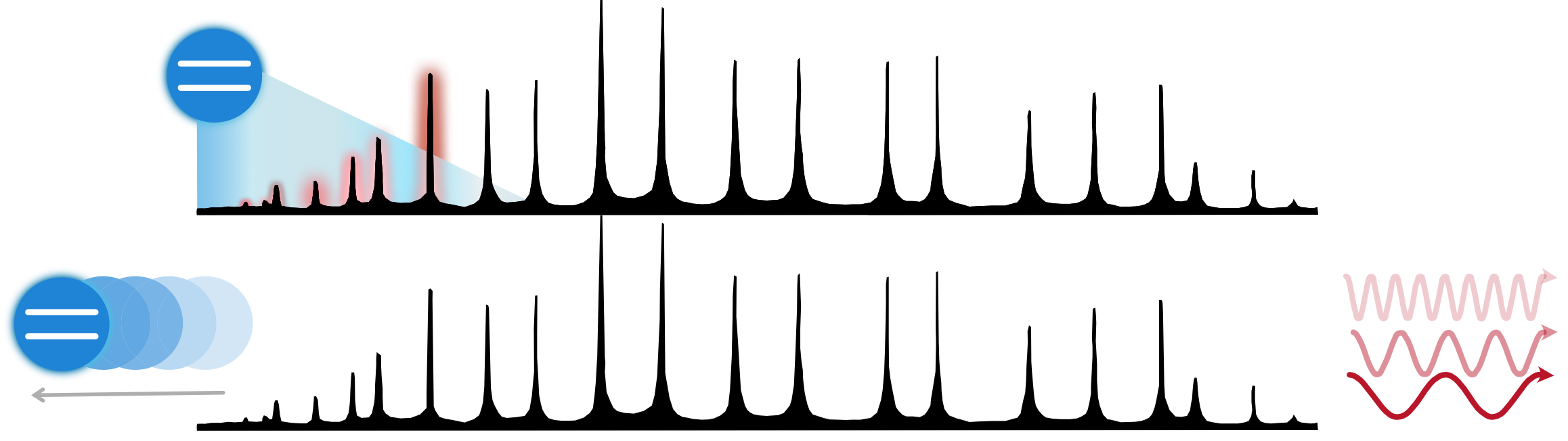
Atom-photon bound states emerge when an atom couples to a metamaterial, offering a platform for long-range interactions crucial to quantum technologies. This work experimentally investigates their formation and radiative nature by analyzing the emitted light, revealing the underlying energy structure. The approach introduces a powerful new method to probe internal dynamics of bound states, demonstrated here for the first time, and extends beyond the insights of previous studies.
Applied Physics Letters 126, 232602 (2025)
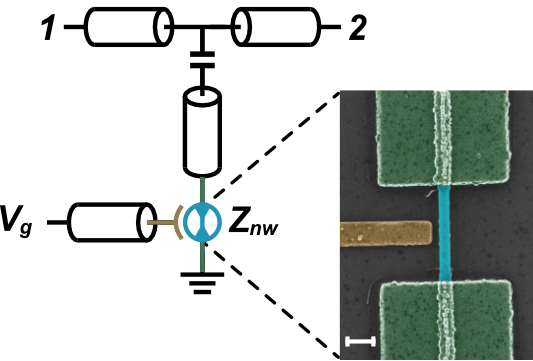
Vittorio Buccheri, François Joint, Kazi Rafsamjani Amin, Tosson Elalaily, Olivér Kürtössy, Zoltán Scherübl, Gergő Fülöp, Thomas Kanne, Jesper Nygård, Péter Makk, Szabolcs Csonka, Simone Gasparinetti
What if superconducting electronics had the flexibility of transistors? We explore gate control of critical current in an Al/InAs nanowire embedded in a λ/4 resonator. Changes in resonant frequency and quality factor align with an effective temperature in the Mattis-Bardeen model. We also measure gate-response times of tens of nanoseconds, highlighting the system’s potential for cryoelectronic applications like switches and fast superconducting electronics.

Nature Physics 21, 318 (2025)
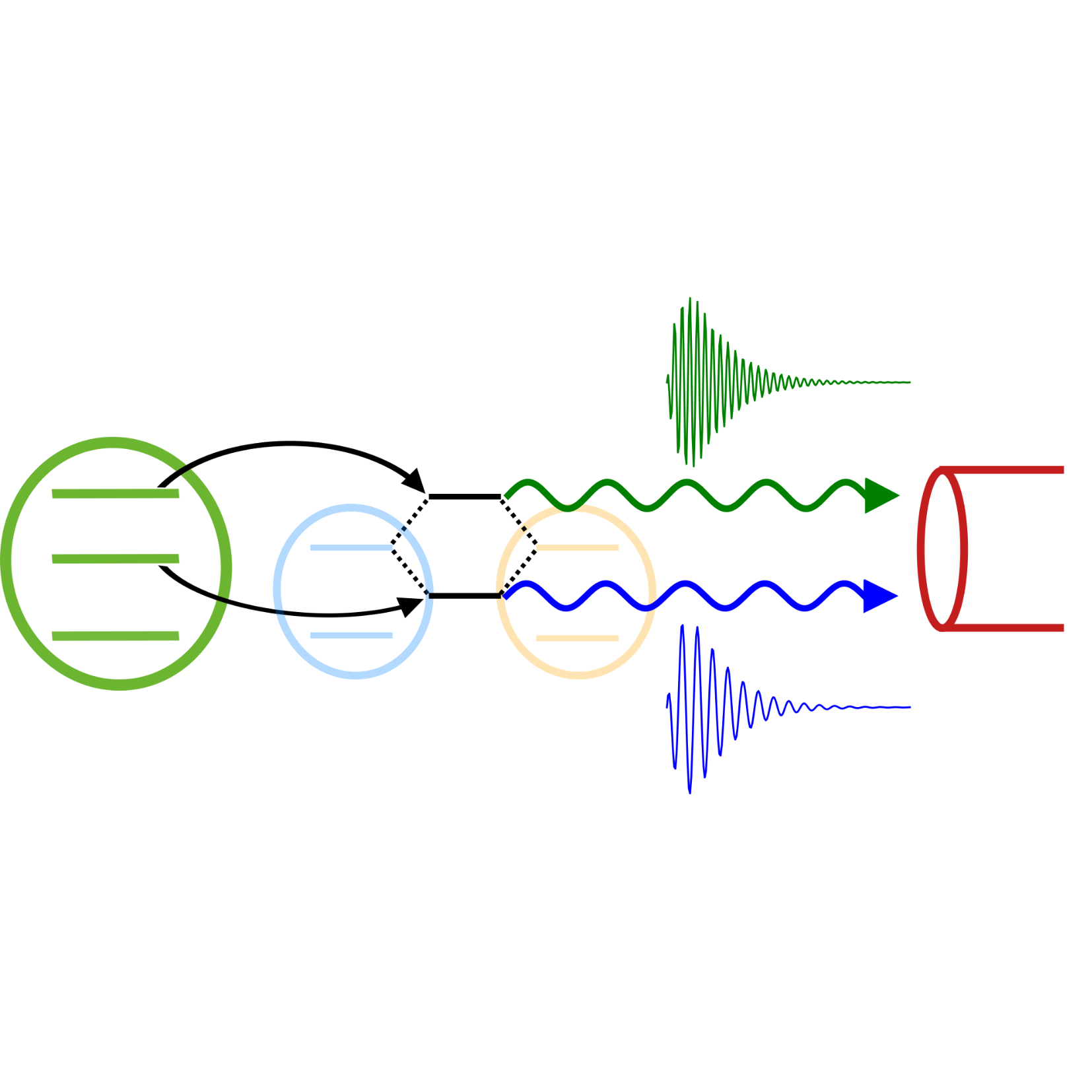
Mohammed Ali Aamir, Paul Jamet Suria, José Antonio Marín Guzmán, Claudia Castillo-Moreno, Jeffrey M. Epstein, Nicole Yunger Halpern, Simone Gasparinetti
Classical thermal machines are ubiquitous in the real world, but their quantum counterpart had so far been theoretical curiosities. Here, we build a quantum refrigerator that demonstrates for the first time an important real-world application—resetting of a qubit. Our quantum refrigerator—constituting of two superconducting qubits, each connected to a physical heat bath—autonomously cools down a target superconducting qubit to its ground state more effectively than conventional methods.
External links:
Phys. Rev. Lett. 134, 240803 (2025)
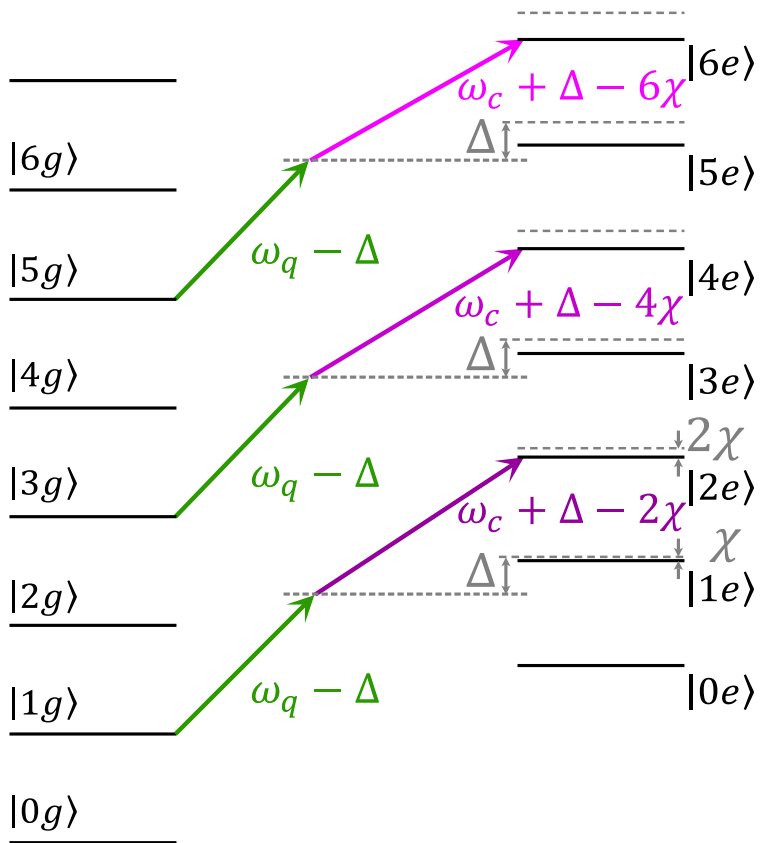
Jiaying Yang, Maryam Khanahmadi, Ingrid Strandberg, Akshay Gaikwad, Claudia Castillo-Moreno, Anton Frisk Kockum, Muhammad Asad Ullah, Göran Johansson, Axel Martin Eriksson, Simone Gasparinetti
Scalable quantum computing requires reliable communication between distant processors. Propagating microwave photons offer a solution, but photon loss limits transfer fidelity. We demonstrate frequency-bin encoded microwave photons by encoding a qubit state into two distinct frequency modes with high fidelity. This enables photon loss detection via heralding and supports error-detectable links. Our simple, hardware-efficient architecture is a versatile building block for superconducting and waveguide-based quantum networks.
Quantum Sci. Technol. 10, 045037 (2025)
Marina Kudra, Martin Jirlow, Mikael Kervinen, Axel M. Eriksson, Fernando Quijandría, Per Delsing, Tahereh Abad, Simone Gasparinetti
José Antonio Marín Guzmán, Paul Erker, Simone Gasparinetti, Marcus Huber, Nicole Yunger Halpern
Rep. Prog. Phys. 87, 12 (2024)
Appl. Phys. Lett. 125, 092602 (2024)
François Joint, Kazi Rafsanjani Amin, Ivo Cools, Simone Gasparinetti
Kazi Rafsanjani Amin, Axel Martin Eriksson, Mikael Kervinen, Linus Andersson, Robert Rehammar, Simone Gasparinetti
arXiv:2404.01277 (2024)
Ingrid Strandberg, Axel Martin Eriksson, Baptiste Royer, Mikael Kervinen, Simone Gasparinetti
Physical Review Letters 133, 063601 (2024)
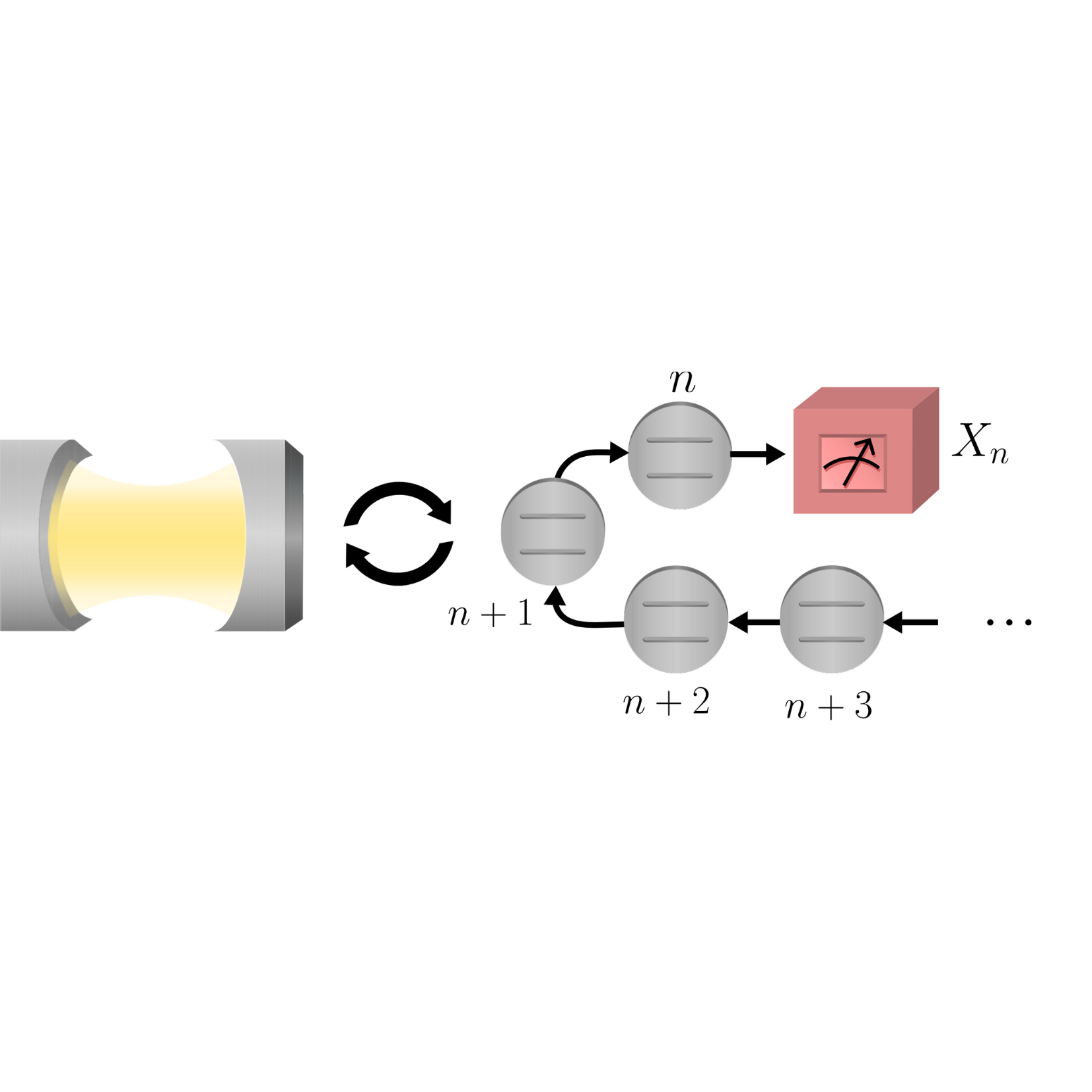
This paper presents a measurement scheme corresponding to homo-and heterodyne detection for stationary quantum states of light. These types of measurements are cornerstones in quantum optics and commonplace on propagating fields, but our method enables high-efficiency measurements also on confined cavity fields. Inspired by the “repeated interactions” model, which is normally used for calculations of open system dynamics, we show that a simple realization of the model can emulate both homo- and heterodyne measurements statistics. This has applications in quantum computing, for instance, in verification of quantum speedup for boson sampling that could be implemented with current and near-term technology.
Axel M. Eriksson, Théo Sépulcre, Mikael Kervinen, Timo Hillmann, Marina Kudra, Simon Dupouy, Yong Lu, Maryam Khanahmadi, Jiaying Yang, Claudia Castillo Moreno, Per Delsing, Simone Gasparinetti
Nature Communications 15, 2512 (2024)
José Antonio Marín Guzmán, Paul Erker, Simone Gasparinetti, Marcus Huber, Nicole Yunger Halpern
Reports on Progress in Physics 87, 122001 (2024)
Mikael Kervinen, Shahnawaz Ahmed, Marina Kudra, Axel Eriksson, Fernando Quijandría, Anton Frisk Kockum, Per Delsing, Simone Gasparinetti
Phys. Rev. A 110, L020401 (2024)
Leon Ruf, Claudio Puglia, Tosson Elalaily, Giorgio De Simoni, Francois Joint, Martin Berke, Jennifer Koch, Andrea Iorio, Sara Khorshidian, Peter Makk, Simone Gasparinetti, Szabolcs Csonka, Wolfgang Belzig, Mario Cuoco, Francesco Giazotto, Elke Scheer, Angelo Di Bernardo
Applied Physics Reviews 11, 041314 (2024)
Ludwig Ruf, Tosson Elalaily, Claudio Puglia, Yurii P. Ivanov, Francois Joint, Martin Berke, Andrea Iorio, Peter Makk, Giorgio De Simoni, Simone Gasparinetti, Giorgio Divitini, Szabolcs Csonka, Francesco Giazotto, Elke Scheer, Angelo Di Bernardo
APL Materials 11, 091113 (2023)
Jiaying Yang, Axel Eriksson, Mohammed Ali Aamir, Ingrid Strandberg, Claudia Castillo Moreno, Daniel Perez Lozano, Per Persson, Simone Gasparinetti
Physical Review Applied 20, 054018 (2023)
Distributed quantum computing relies on quantum channels linking distant processors, requiring reliable photon generation from stationary qubits. We demonstrate a superconducting circuit that transfers a qubit state into a traveling microwave photon with 94.5% fidelity. Using a time-varying parametric drive, we shape the photon’s temporal profile for efficient, phase-stable absorption. This high-fidelity method enables robust state transfer and remote entanglement, advancing scalable distributed quantum computing.
Simone Gasparinetti
Nature Physics 19, 310 (2023)
Robert Rehammar, Simone Gasparinetti
IEEE Transactions on Microwave Theory and Techniques 71, 3075 (2023)
Mats O. Tholén, Riccardo Borgani, Giuseppe Ruggero Di Carlo, Andreas Bengtsson, Christian Križan, Marina Kudra, Giovanna Tancredi, Jonas Bylander, Per Delsing, Simone Gasparinetti, David B. Haviland
Review of Scientific Instruments 93, 104711 (2022)
Mohammed Ali Aamir, Claudia Castillo Moreno, Simon Sundelin, Janka Biznárová, Marco Scigliuzzo, Kowshik Erappaji Patel, Amr Osman, D. P. Lozano, Simone Gasparinetti
Physical Review Letters 129, 123604 (2022)
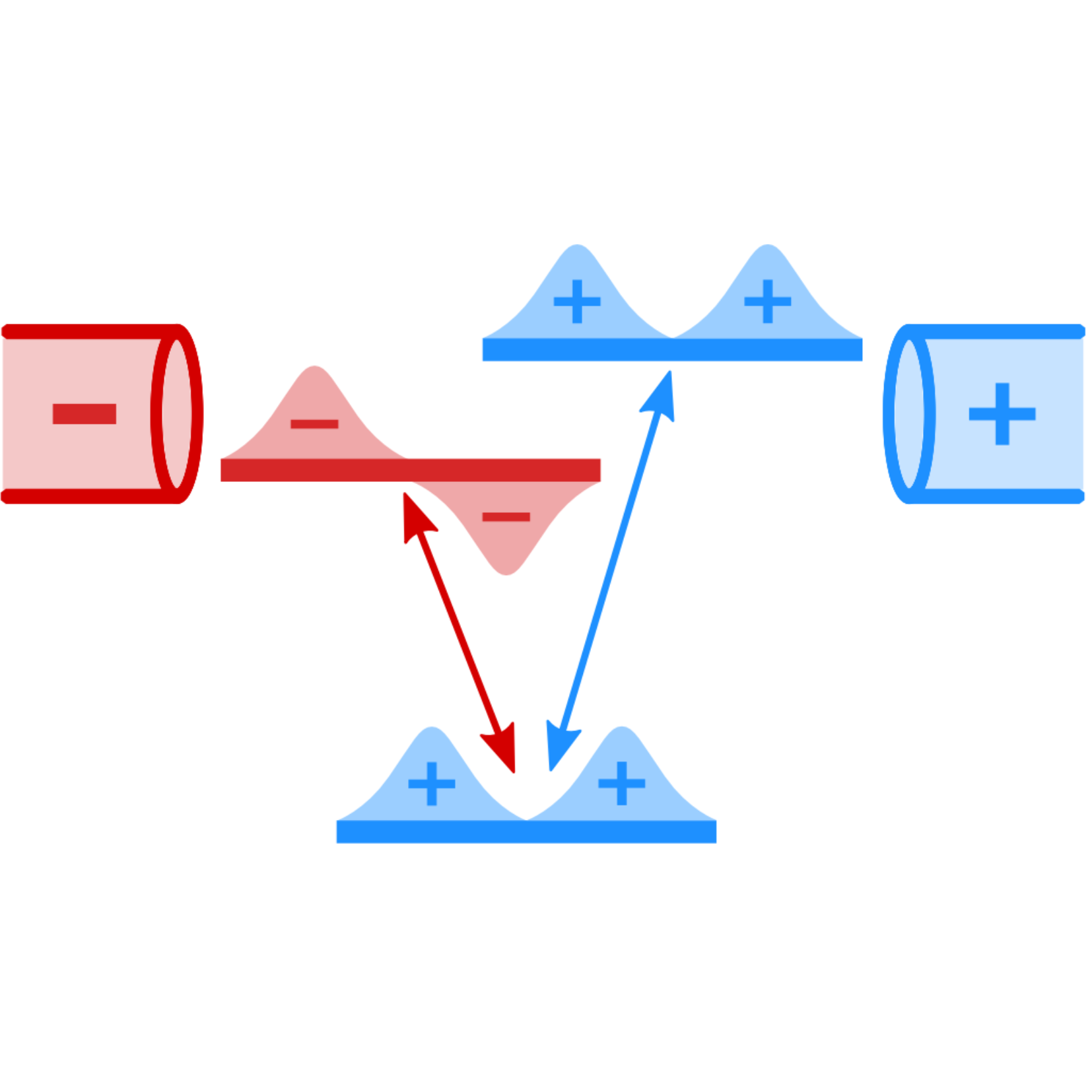
The achieved goal of our work is to gain complete control of the symmetries available in a simple (artificial) diatomic molecule interacting with photonic mode continuum hosted in waveguides; using a remarkably simple yet unique device architecture. We show the versatile scope of this capability in two distinct experiments which also inspire various other interesting experiments and applications with this architecture. We believe these features are of intrinsic interest to the wide community of waveguide quantum electrodynamics, that transcends several experimental platforms, and is an increasingly popular platform for exploring light-matter interactions and, recently, facilitating quantum technologies.
Marina Kudra, Mikael Kervinen, Ingrid Strandberg, Shahnawaz Ahmed, Marco Scigliuzzo, Amr Osman, Daniel Pérez Lozano, Mats O. Tholén, Riccardo Borgani, David B. Haviland, Giulia Ferrini, Jonas Bylander, Anton Frisk Kockum, Fernando Quijandría, Per Delsing, Simone Gasparinetti
PRX Quantum 3, 030301 (2022)
Yong Lu, Neill Lambert, Anton Frisk Kockum, Ken Funo, Andreas Bengtsson, Simone Gasparinetti, Franco Nori, Per Delsing
PRX Quantum 3, 020305 (2022)
Marco Scigliuzzo, Giuseppe Calajò, Francesco Ciccarello, Daniel Perez Lozano, Andreas Bengtsson, Pasquale Scarlino, Andreas Wallraff, Darrick Chang, Per Delsing, Simone Gasparinetti
Physical Review X 12, 031036 (2022)
Yong Lu, Ingrid Strandberg, Fernando Quijandría, Göran Johansson, Simone Gasparinetti, Per Delsing
Physical Review Letters 126, 253602 (2021)
Yong Lu, Andreas Bengtsson, Jonathan J. Burnett, Emely Wiegand, Baladitya Suri, Philip Krantz, Anita Fadavi Roudsari, Anton Frisk Kockum, Simone Gasparinetti, Göran Johansson, Per Delsing
npj Quantum Information 7, 35 (2021)
Jean-Claude Besse, Simone Gasparinetti, Michele C. Collodo, Theo Walter, Ants Remm, Jonas Krause, Christopher Eichler, Andreas Wallraff
Physical Review X 10, 011046 (2020)
Timo Hillmann, Fernando Quijandría, Göran Johansson, Alessandro Ferraro, Simone Gasparinetti, Giulia Ferrini
Physical Review Letters 125, 160501 (2020)
Marco Scigliuzzo, Andreas Bengtsson, Jean-Claude Besse, Andreas Wallraff, Per Delsing, Simone Gasparinetti
Physical Review X 10, 041054 (2020)
Marina Kudra, Janka Biznárová, Anita Fadavi Roudsari, Jonathan J. Burnett, David Niepce, Simone Gasparinetti, Björn Wickman, Per Delsing
Applied Physics Letters 117, 070601 (2020)